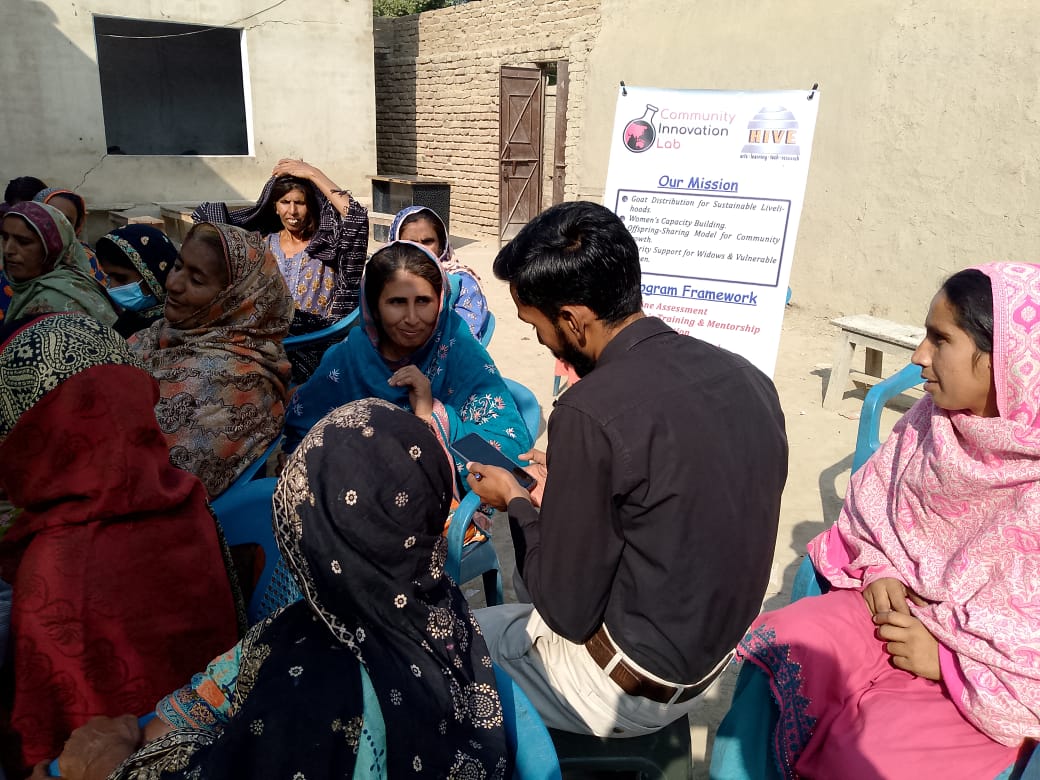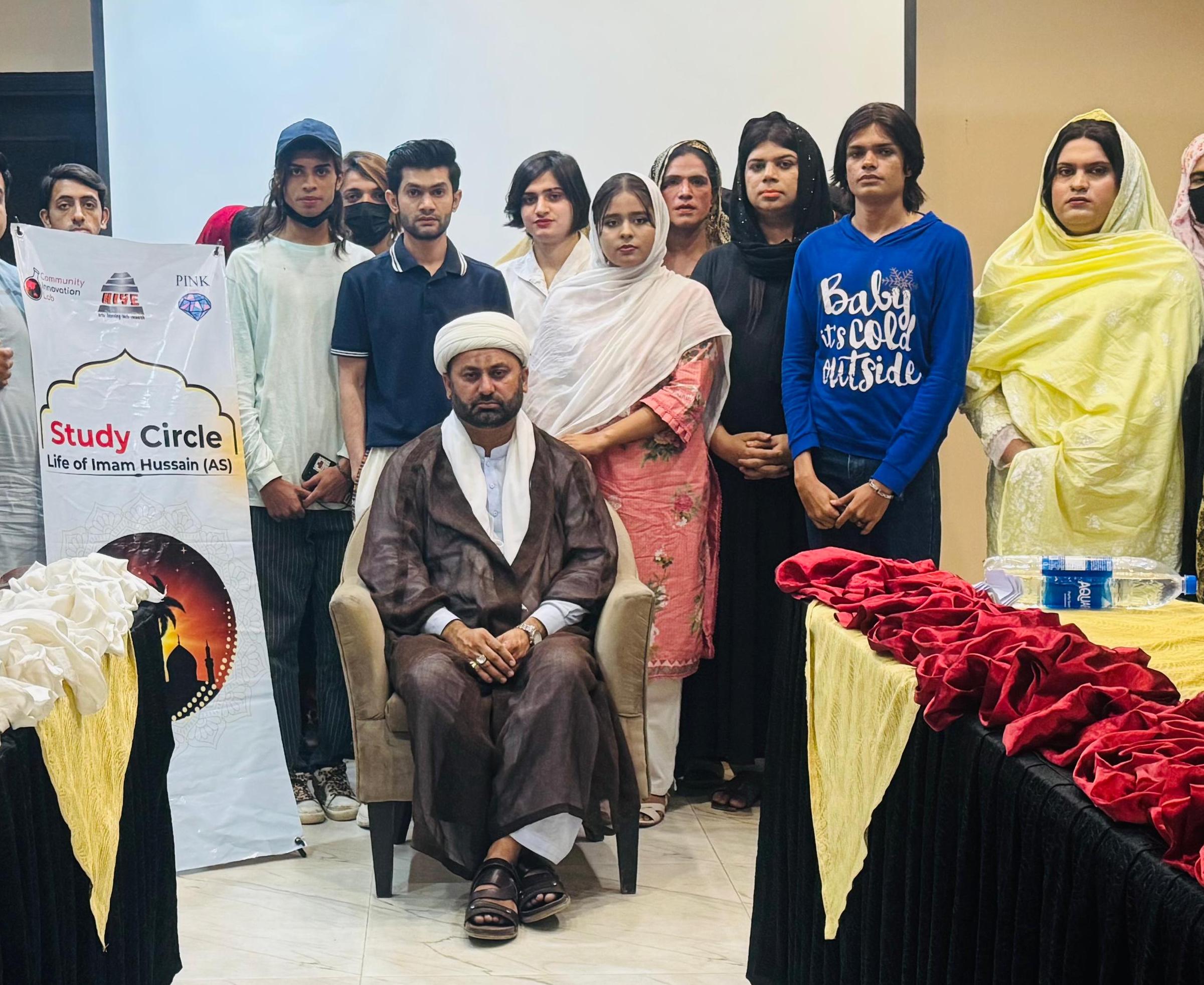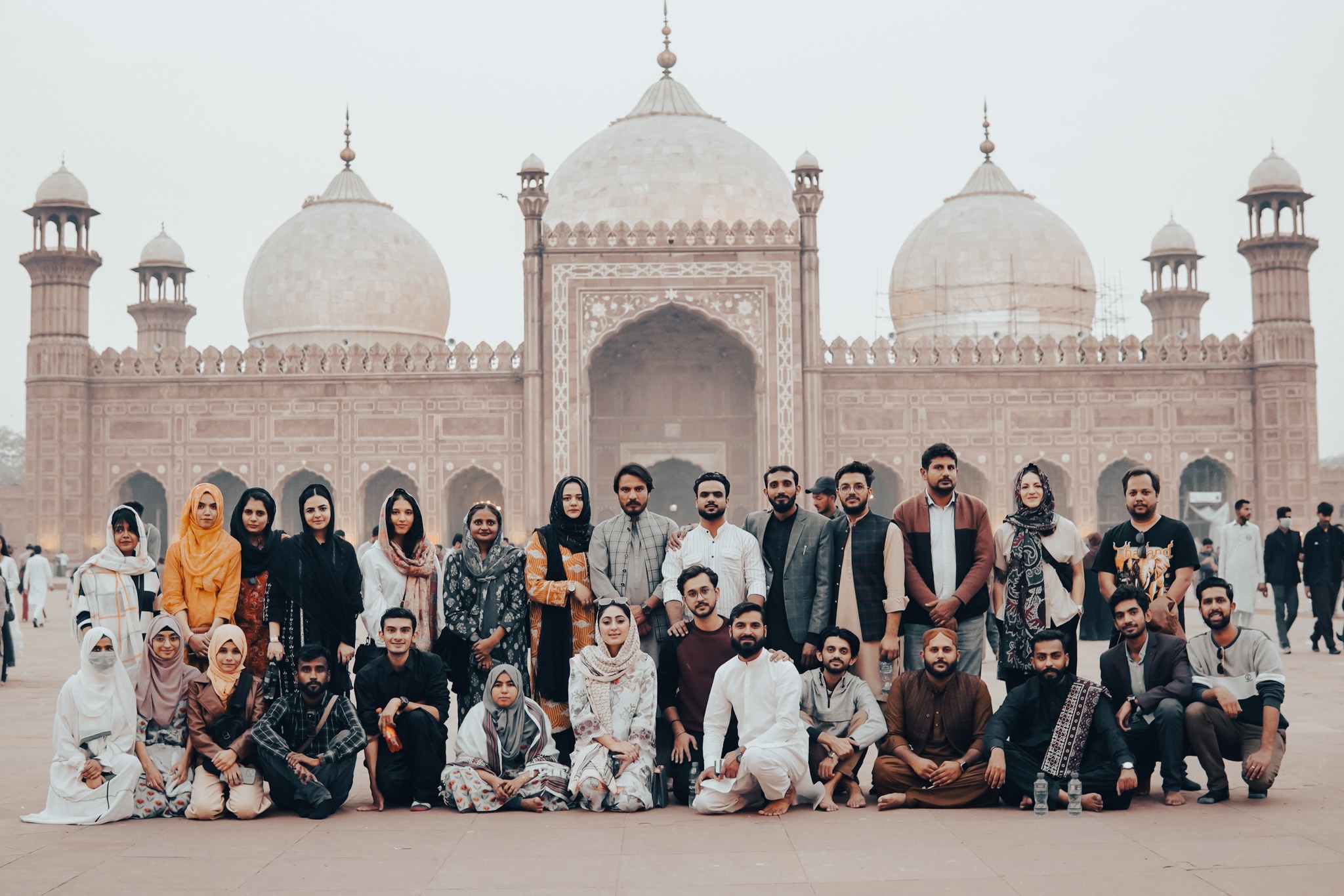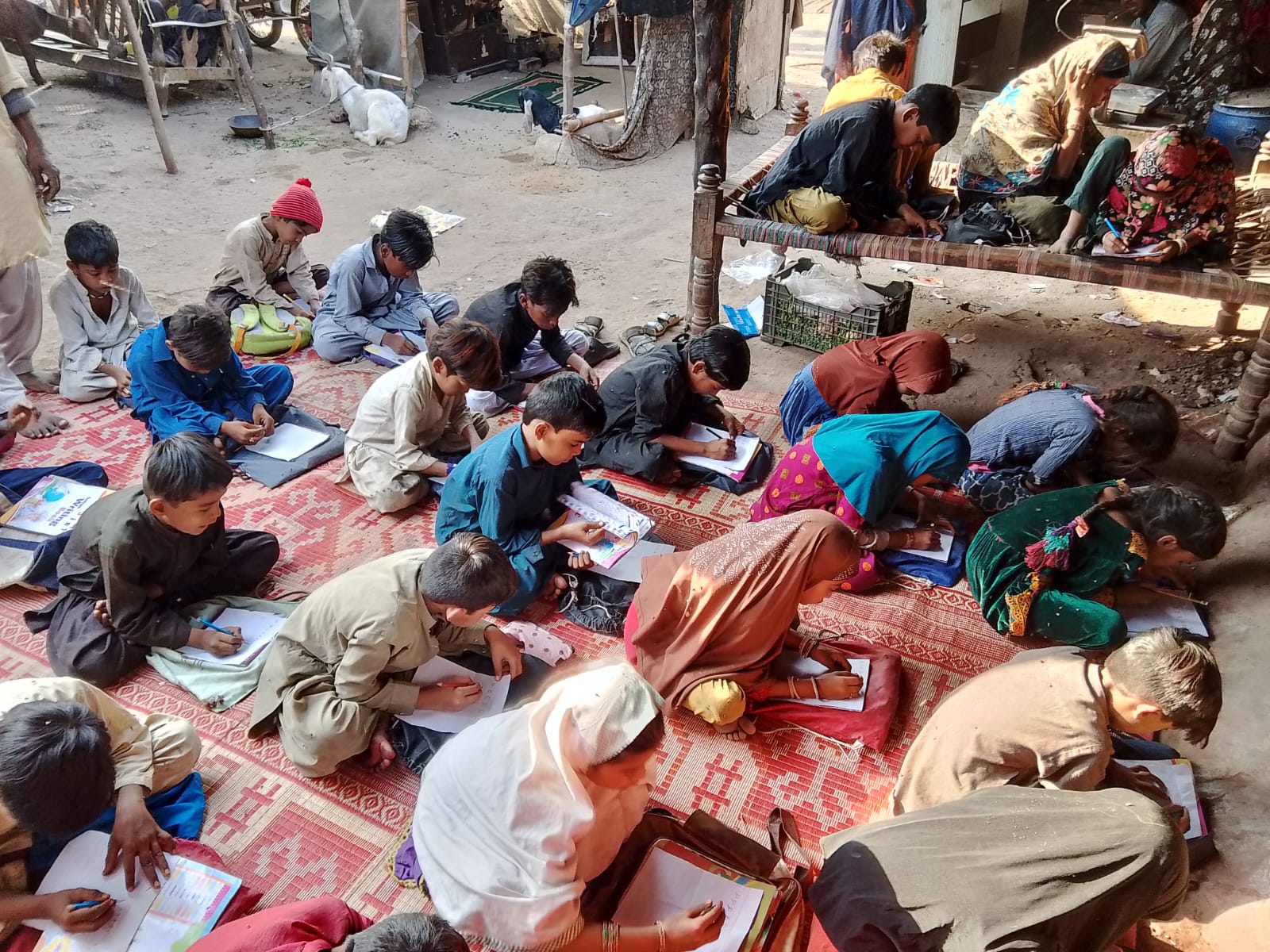
Pakistan's first social infrastructure through which knowledge moves directly between communities.
Across Pakistan, communities are constantly generating knowledge through practice, developing innovative solutions, adapting to local realities, learning from their lived experiences, and preserving indigenous wisdom. Yet much of this knowledge either remains isolated or is extracted, repackaged and circulated through top-down institutions, rather than flowing directly between communities.
The result is a one-way knowledge system where communities are often treated as recipients of expertise rather than producers and holders of knowledge.
Next Qadam Communities is a peer-powered social infrastructure that enables knowledge to move directly between communities.
It connects community practitioners, frontline workers, activists, researchers and local leaders to exchange practical know-how, lived experience, indigenous wisdom and proven solutions — without requiring that knowledge to first pass through institutions or experts.
Make community knowledge as discoverable, shareable and valuable as expert knowledge.
From finding the right community to exchanging real-world knowledge, NextQadam makes meaningful peer-to-peer connections simple.
Sign up with us either as a sharer or seeker of community knowledge — or both.
Based on your input, we will match you with a community practitioner or community that is working on a similar problem or works in a similar context.
After matching, you will connect, network and exchange directly with the community — turning lived experience and practical knowledge into shared learning.
Meet the people creating change through lived experience, local knowledge and practical community solutions.
Real solutions come from people who understand the realities on the ground.
Solutions developed locally often understand local realities better.
Practical knowledge can be more useful than theoretical solutions.
We believe knowledge should not only flow from institutions to communities.
A solution developed in one community can be adapted somewhere else.
Sharing knowledge builds relationships, confidence, and collective problem-solving capacity.
Knowledge moves when communities connect. Every exchange creates new possibilities.
Aman Chaupal, a community space in Kasur, Punjab is exchanging tips with Aman Otaq, a communal space in Naseerabad, Balochistan.
A youth-led organisation in Swat shared its community mobilisation model with practitioners in Gilgit.
A community practitioner in Tharparkar is sharing a rainwater harvesting practice with a community in Bahawalpur.
Two community practitioners working on women-led livelihoods in Multan and Sukkur connected to exchange approaches.
Find answers about how communities connect, exchange knowledge, and learn from each other's experiences.
NextQadam helps it move where it can create impact.
Communities can exchange practical know-how, proven solutions, lived experience, indigenous and traditional knowledge, local innovations, research, tools, and lessons from both successes and failures.
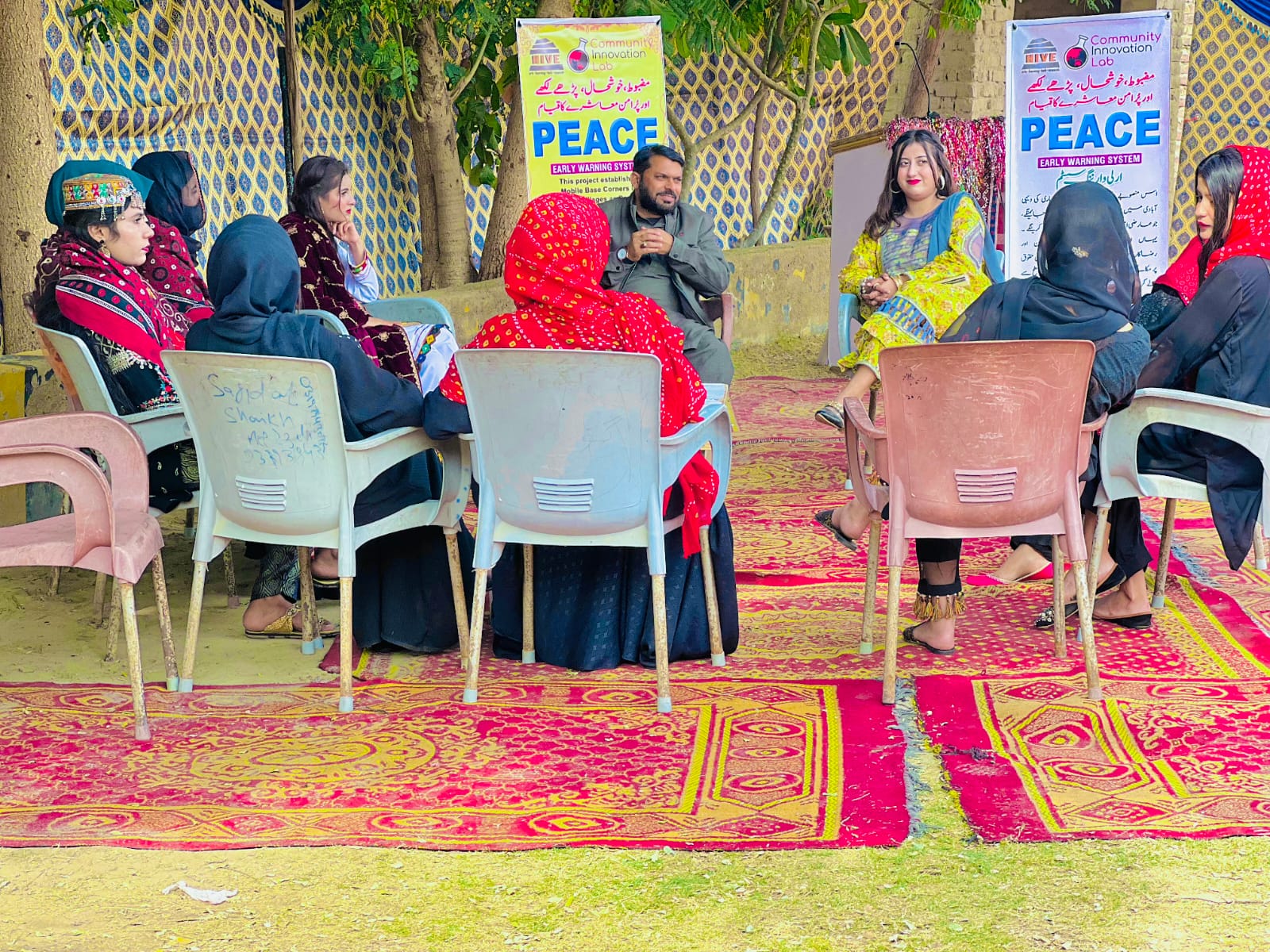
Exchange can happen directly between practitioners through one-to-one conversations, group exchanges, virtual or in-person sessions, shared resources, and documented practices.
The format depends on what is being shared and what the communities need.
Community practitioners, grassroots organisations, activists, frontline workers, researchers, local leaders and others with practical knowledge to share or a genuine need to learn from other communities can join.
We generally consider 2+ years of grounded work in any community as a qualifying criteria.
We request the seeker to be working on a problem in a community.